


How It Works
How Home Solar Works: A Plain-English Guide
May 1, 2026

Panels turn sunlight into DC electricity, an inverter converts it to the AC your home uses, your house draws on it first, and any extra flows to the grid for a credit. At night or in winter you pull from the grid as usual. That is the whole loop.
Home solar sounds technical, but the day-to-day flow is simple. Here is what actually happens on your roof and in your panel.
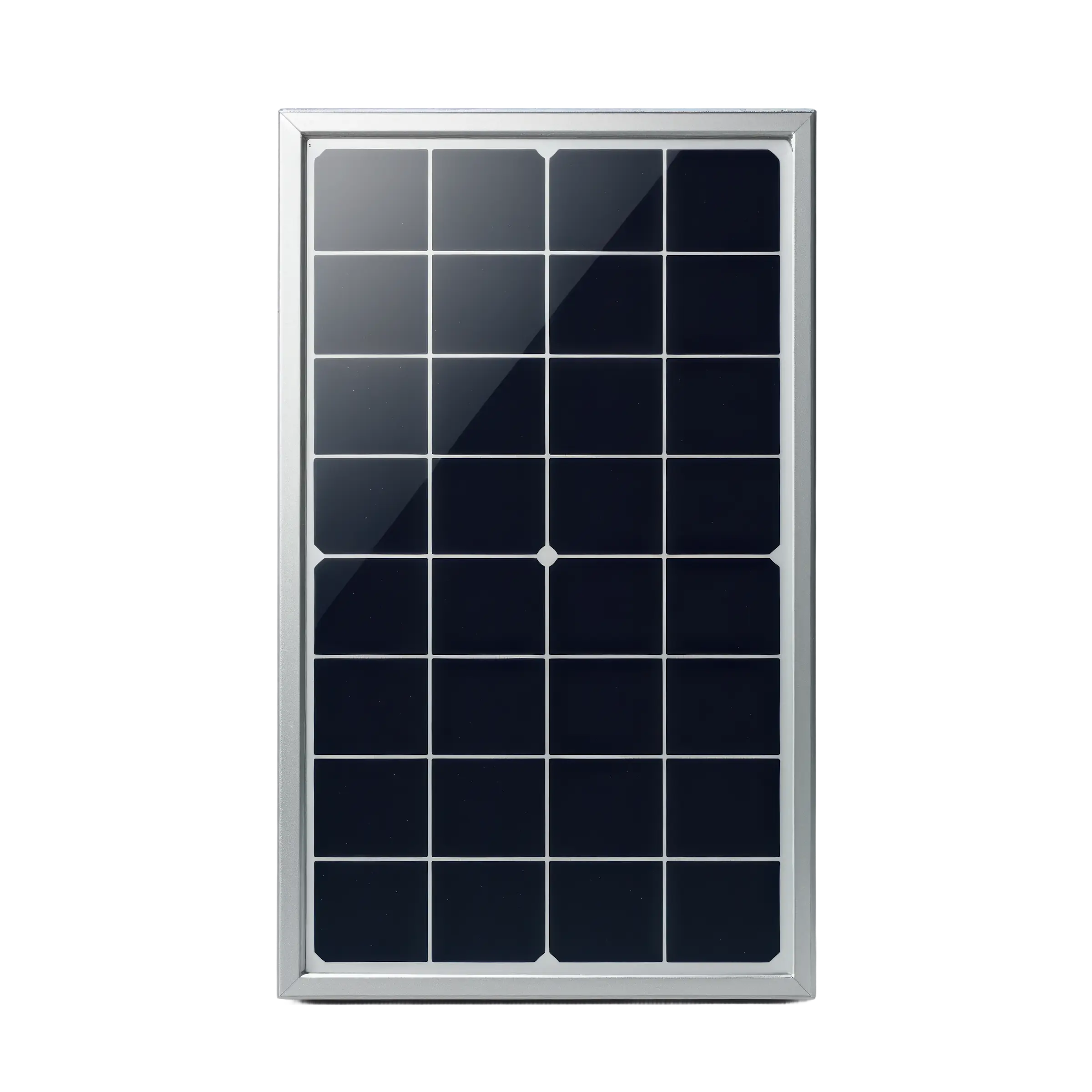
Solar panels generate direct-current (DC) electricity whenever daylight hits them. An inverter converts that into the alternating-current (AC) power your appliances run on. That power feeds your home first, so you are using your own electricity in real time before touching the grid.
On a sunny afternoon your panels often make more than you are using. Under net metering, that surplus flows onto the grid and your meter credits you for it. Rules vary: BC now pays new systems a flat 10¢/kWh for exports, and Alberta credits exports at your retailer's energy rate. In the evening, or on a dim winter day, you simply draw grid power again — drawing down the credits you banked earlier. A battery, if you have one, stores the surplus instead so you can use it after dark.
It reliably lowers your electricity bill and, with a battery, can provide backup. It does not usually mean going “off-grid” — most homes stay connected so they can lean on the grid when the sun is down. Going fully off-grid is possible but far more expensive and rarely worth it in a city.
Not on their own — grid-tied systems shut off for safety during an outage. You need a battery (or backup-capable inverter) to keep power flowing.
A billing arrangement where the grid credits you for the surplus power you export, offsetting the power you draw later. Rules vary by province.
Very little. They have no moving parts; rain handles most cleaning. An occasional inspection is usually all that is needed.
Next: how big a system you need and how solar handles Canadian winters.
Verified October 15, 2026. General information only. Exact behaviour depends on your equipment and your province's net-metering rules.