
Winter & Snow
Do Solar Panels Work in Canadian Winters? Cold, Snow, Rain and Hail
May 1, 2026

Yes. Cold helps panels, it doesn't hurt them. What cuts winter output is short days, a low sun and snow sitting on the glass. Rain and cloud lower production but don't stop it. Because winter is a small slice of a solar year, a system is sized on 12 months of output, not on a January afternoon.
It's the first question almost every Canadian asks about solar, and it deserves a straight answer by season and by weather. Here's what cold, snow, rain and hail actually do to a system, and what winter means for your bill in each province.
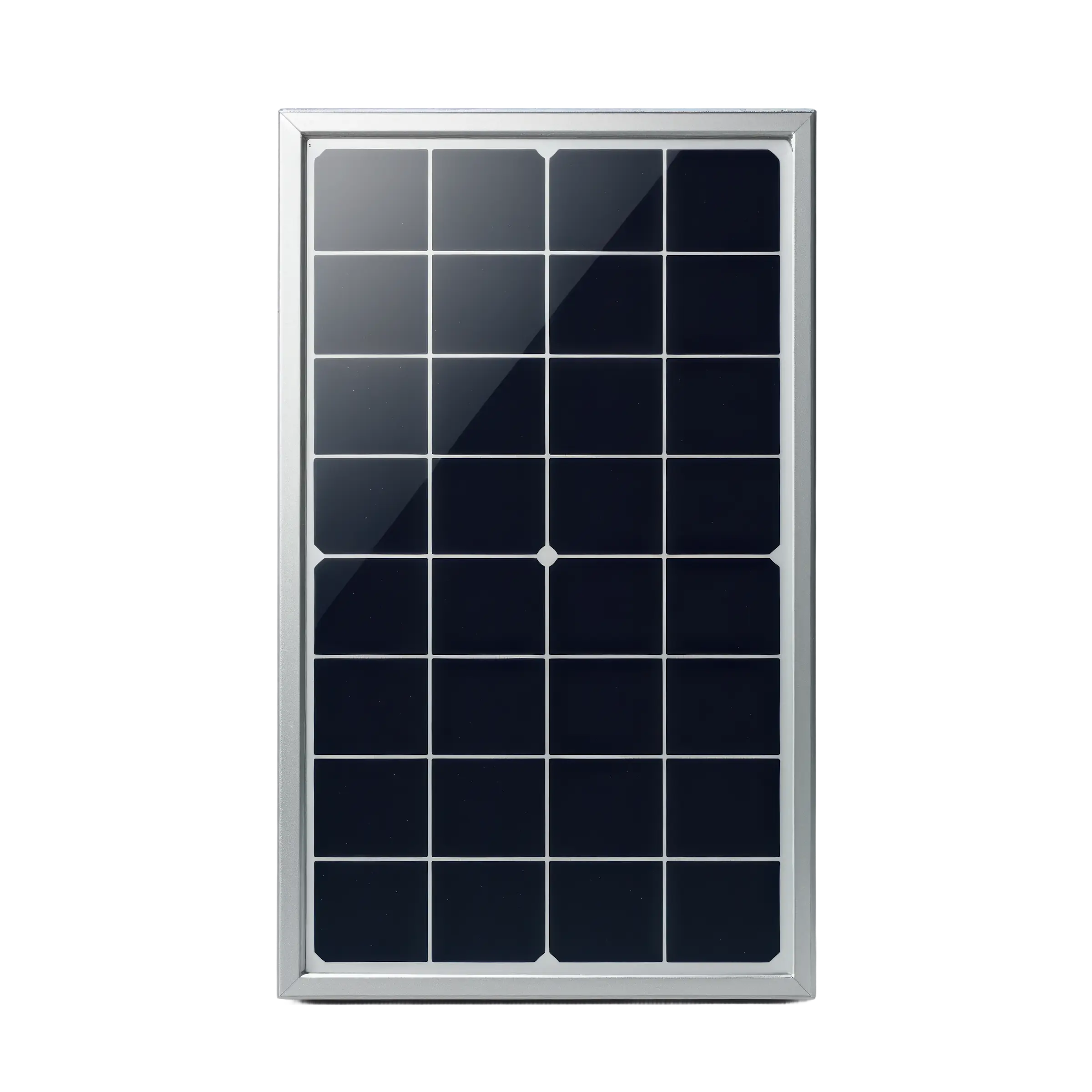
No. Solar cells make more voltage when they're cold. Panels are rated at a cell temperature of 25°C, and every degree below that adds a little output. A modern panel with a temperature coefficient around −0.3%/°C gains roughly 3% for every 10°C it runs below its rating. On a clear, cold day a panel can briefly produce more than its nameplate. We cover the specs that matter in Solar Panels Compared for Canadian Winters.
Two reasons, and neither is the cold:
The size of the dip depends on where you live. The cloudy BC coast sees the biggest drop; the sunny Prairies see the smallest, and Calgary and Edmonton are among the best solar cities in the country. Natural Resources Canada publishes month-by-month solar potential for hundreds of municipalities, and a good quote should use it, or similar data, for your address.
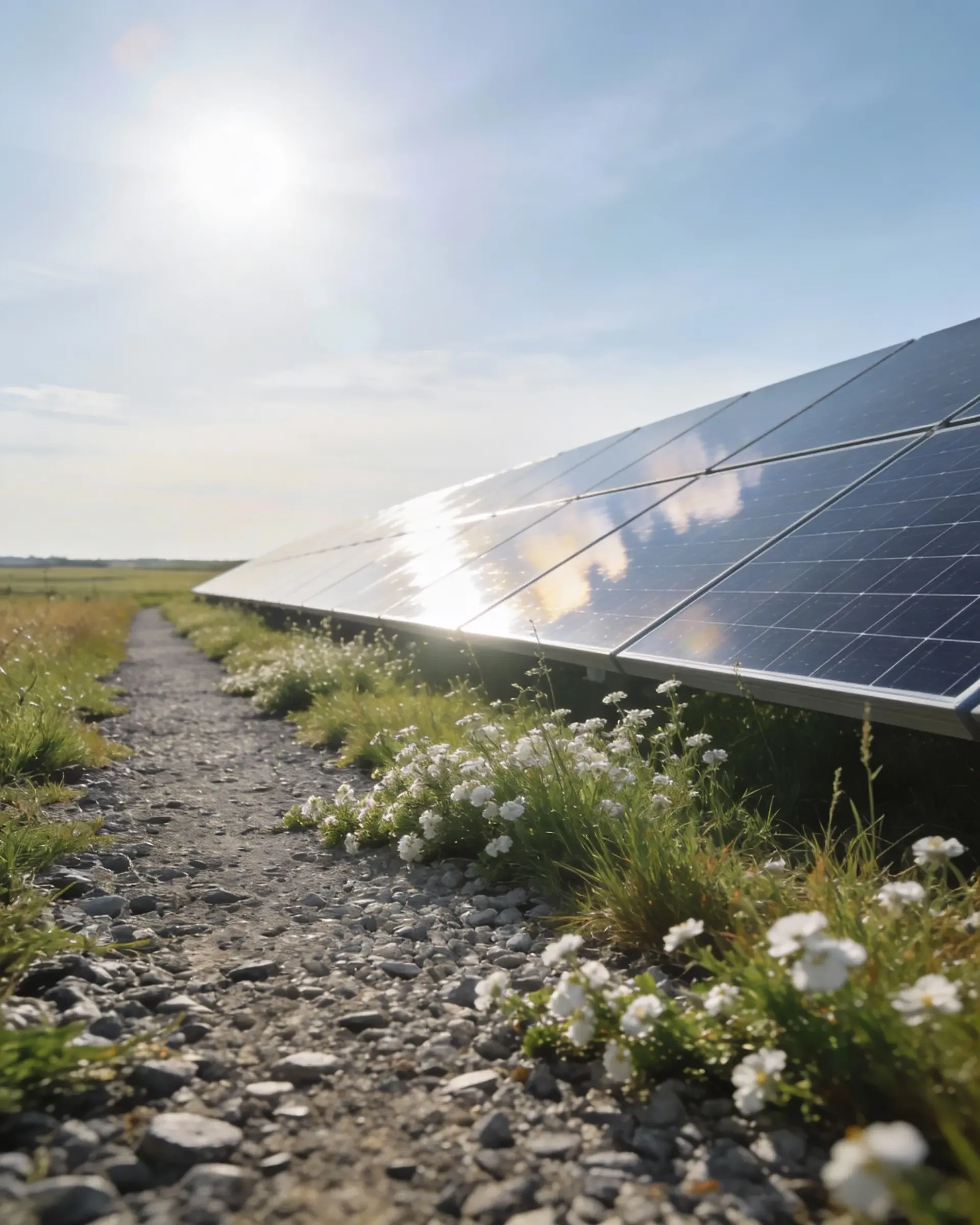
A heavy layer blocks production until it clears. In practice that's usually days, not weeks:
Panels are also built for the weight. Premium modules are commonly rated for 5,400 Pa of snow load, and your installer should check the roof structure against local snow loads as part of design.
Usually not. Climbing a snowy roof is dangerous, and metal shovels or stiff brushes can scratch the glass or damage the frame and wiring, which may void warranties. The power you'd gain back is small next to the year's total. If you want to help, a soft-headed roof rake used from the ground is the only tool to consider, and only if you can reach without stretching over the eaves.
One real winter consideration: snow sliding off a solar array comes down in one sheet. If panels sit above a door, walkway or driveway, ask about snow guards.
Yes, at reduced output. Panels respond to daylight, not direct sun, so an overcast day still produces something, often a modest share of a clear day's output. Rain helps too: it washes pollen and dust off the glass, which is why most Canadian systems never need professional cleaning. Panels and their connectors are sealed for years of rain, snowmelt and freeze-thaw.
Panels certified to IEC 61215 have passed an impact test with 25 mm ice balls fired at about 23 m/s, and tempered glass handles most storms. Very large hail can still break panels, as it can break car windshields. In Alberta's hail corridor, ask for the hail rating in writing and tell your home insurer about the system so it's covered.
| Winter condition | Effect on output | What to do |
|---|---|---|
| Cold | Raises efficiency | Nothing |
| Short days and low sun | Main cause of the winter dip | Size on annual output, not winter output |
| Snow on panels | Stops output until it slides or melts | Usually nothing; snow guards over walkways |
| Rain and cloud | Lower output; rain cleans the glass | Nothing |
| Hail | Usually fine; very large hail can crack glass | Check IEC 61215 rating and insurance |
That depends on how your province credits the power you export. This is where most generic winter articles are out of date:
A battery doesn't make more energy in winter; it stores what you make. Its winter value is backup during storms, when grid-tied panels shut off for safety. If outages are your concern, read Do you actually need a home battery?.
Yes. Cold improves panel efficiency. Panels are rated to operate well below −30°C, and the electronics are designed for Canadian temperature ranges.
It depends on location. Short days and a low sun mean winter months produce a small fraction of summer output, with the biggest dip on the cloudy BC coast and the smallest on the Prairies. Your quote should show a month-by-month estimate.
Usually not. It's risky, can damage the glass or void warranties, and recovers little energy. Tilted panels shed most snow within days.
Yes, at reduced output. Panels respond to daylight, not just direct sun, and rain helps keep the glass clean.
Panels are rated for heavy snow loads, commonly 5,400 Pa on premium modules. Your installer should check the roof structure against local snow loads during design.
Not on their own. Grid-tied systems shut off during an outage for line workers' safety. You need a battery or a backup-capable inverter.
Verified October 15, 2026. Output varies with location, roof and equipment. General information, not financial advice.