Ontario & Nova Scotia homeowners · Updated October 2026
Solar panels and battery backup designed for how power works where you live: Ontario's up-to-$10,000 rebates and time-of-use rates, or Nova Scotia's full-retail net metering. Answer a few quick questions and see your numbers instantly.
Free eligibility check · No obligation
Step 1 of 8
An Ontario solar advisor will reach out within one business day with your personalized estimate. Want answers sooner? Call +1 (888) 282-8982.
Something went wrong sending your details. Please try again or call +1 (888) 282-8982.
$10,000
Max Ontario solar + battery rebate
19.1¢
What NS Power credits per solar kWh you export
10×
Gap between Ontario's overnight and peak prices on ULO
2 offices
North York, Ontario and Dartmouth, Nova Scotia
Our work
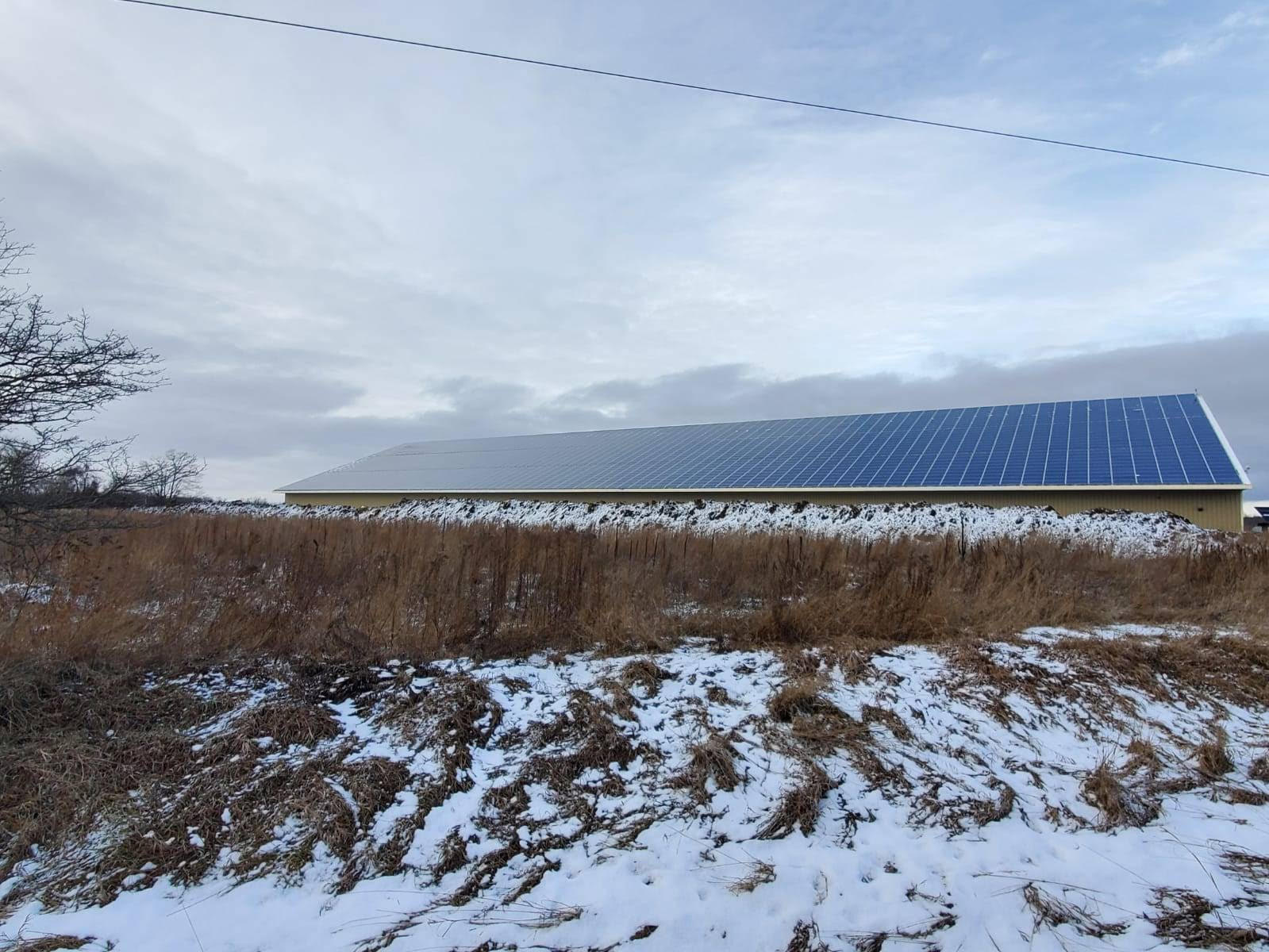
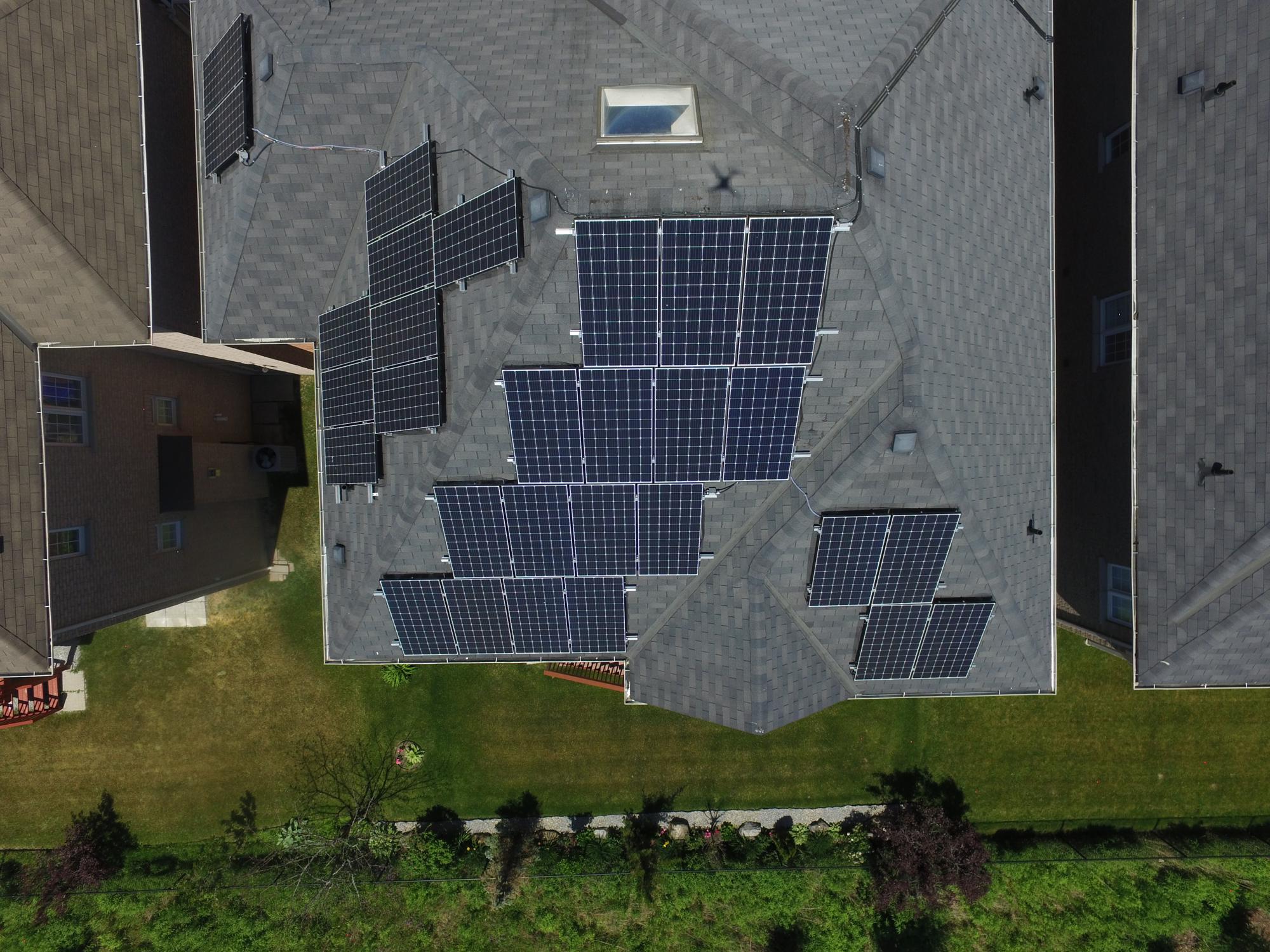
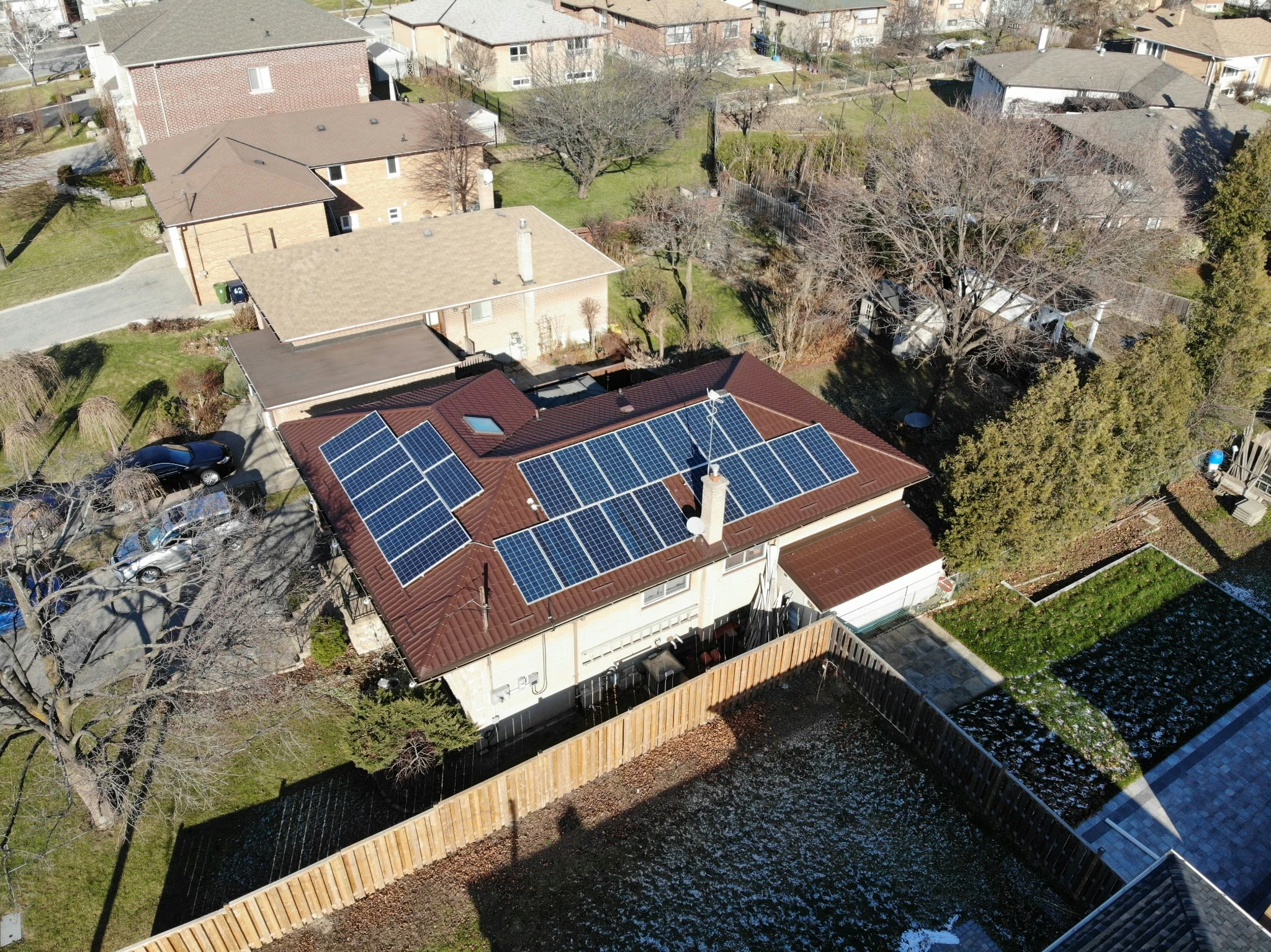
Programs and prices are different in each province. Showing:
A day in an Ontario home
Ontario prices change by the hour. A battery lets you skip the expensive hours. Slide the clock and switch rate plans to see how solar and a battery work together.
On the Ultra-Low Overnight plan, power costs 3.7¢/kWh from 11 p.m. to 7 a.m. and 37.7¢/kWh from 4 to 9 p.m. on weekdays. A battery charged by your panels covers those peak hours.
Rates: Ontario Energy Board Regulated Price Plan, effective November 1, 2026 (electricity price only, before delivery charges and the Ontario Electricity Rebate). Weekday winter schedule shown.
Ontario rebates, explained
The program is run by Save on Energy and Enbridge Gas with support from the Government of Ontario. Here's exactly how the money works.
Solar panels
$5,000
$1,000 per kW installed, up to $5,000 and up to 50% of total costs.
Battery storage
$5,000
$300 per kWh of storage, up to $5,000 and up to 50% of total costs. Installed together with new solar.
Together
$10,000
For example, a 5 kW solar system plus a 13.5 kWh battery could qualify for about $9,050.
The catch most people miss
Homes that take this rebate can't sign a net-metering agreement. The system is sized to cover your own use, and a battery stores your extra solar instead of sending it to the grid. For many Ontario homes that's still the better deal. We model both options before you decide.
See what I qualify forSource: Home Renovation Savings program, homerenovationsavings.ca, checked October 2026. Program rules, amounts and funding can change or end without notice.
Nova Scotia, explained
Nova Scotia doesn't have a homeowner solar rebate right now. What it has is better over the long run: net metering that credits your extra solar at the same price you pay for power.
Net metering
19.1¢
NS Power credits the solar you send to the grid at the same rate you pay: 19.128¢ per kWh as of May 1, 2026. Credits carry forward to future bills, up to your own yearly use.
Battery incentives
Eco Shift
Efficiency Nova Scotia supports home batteries, including Eco Shift, which pays participants to let their battery help the grid at peak times. We confirm current amounts for your system.
Financing
Solar City
In Halifax Regional Municipality, the Solar City program lets eligible homeowners finance solar and repay it through their property tax bill.
Heads up
The SolarHomes rebate for homeowners has closed. If a quote still includes it, it's out of date. We build your numbers on net metering and the programs that are open today.
See what my home qualifies forSources: Nova Scotia Power residential rates effective May 1, 2026; Efficiency Nova Scotia program information, checked October 2026. Programs can change or end without notice.
Rebate calculator
Home Renovation Savings pays $1,000 per kW of solar and $300 per kWh of battery, up to $5,000 each. Move the sliders to see your number.
Each rebate is also capped at 50% of that part of your project cost. The battery rebate needs new solar installed at the same time.
Example: 5 kW of solar earns $5,000, and a 13.5 kWh battery earns $4,050, for $9,050 in total.
Nova Scotia solar calculator
Pick your typical monthly bill and a system size. We estimate your yearly solar production and value it at NS Power's 19.128¢ energy rate.
The estimate uses about 1,100 kWh per kW per year and caps credits at your own yearly use, the way net metering works. Your real numbers depend on your roof, shading and usage.
Example: a 7 kW system makes roughly 7,700 kWh a year, worth about $1,470 at 19.128¢ per kWh.
Ontario rate plans
Most Ontario homes pay by time of day. That's why a battery matters here more than almost anywhere in Canada: it charges when power is cheap and runs your home when it's expensive.
Time-of-Use
The default for most homes.
Best match for a battery
Ultra-Low Overnight
Cheapest nights, priciest weekday evenings.
Tiered
Flat price, with a threshold.
Quick math
Moving 10 kWh of evening use from on-peak to overnight on Ultra-Low Overnight saves about $3.40 every weekday on the electricity line of your bill. A battery does that shifting for you, automatically.
Source: Ontario Energy Board, prices effective November 1, 2026, per kWh. You can switch plans anytime by contacting your local utility.
The big decision
This is the choice most installers skip. Here's how the two paths compare, and we'll run the numbers for your home both ways.
Often the better fit with a battery
Better for some large systems
Not sure which pays more for your home? That's exactly what your free estimate answers.
Compare both for my homeBlackout backup
From ice storms in Ontario to hurricane season in Nova Scotia, outages happen. Regular solar panels without a battery shut off during an outage, for the safety of utility crews. A battery with a backup setup keeps your essentials running, and your panels keep refilling it while the sun is up.
Typically covered
Needs a larger system
How long backup lasts depends on battery size and what you run. We size it around your must-haves.
How it works
Answer a few questions about your home and hydro bill. Takes about two minutes.
We review your roof and usage, then compare the rebate path with net metering so you see the numbers both ways.
We confirm which rebates, net-metering and financing options apply to your home before anything is installed.
Panels and battery go in, then inspection and connection with your local utility.
Submit your final documents for the rebate and watch your evening peak usage disappear.
Locations
Real offices, real people. Call either team or start your free check and we'll route you to the right one.
Questions homeowners ask
Still unsure? Call +1 (888) 282-8982 and talk to a person.
Yes. We have offices in North York, Ontario and Dartmouth, Nova Scotia. Start the eligibility check and your postal code tells us which team and which programs fit your home.
Through Home Renovation Savings: $1,000 per kW of solar up to $5,000, plus $300 per kWh of battery storage up to $5,000. Each is capped at 50% of the total cost, for up to $10,000 combined.
No. Homes that receive the solar and battery rebate can't enter a net-metering agreement with their utility. Your system is sized to cover your own use instead. We model both options so you can pick the one that pays you more.
No. Solar panels and battery storage are in the program's no-assessment stream.
The battery rebate is for storage installed together with new solar. You can still add a battery to existing panels for backup and rate savings, just without that rebate.
Yes, when it's installed with backup capability. It typically covers essentials like your fridge, furnace fan, lights and Wi-Fi. How long it lasts depends on the battery size and what you run.
Often Ultra-Low Overnight: power is 3.7¢/kWh overnight and 37.7¢/kWh on weekday evenings, so a battery covering those evening hours saves the most. It depends on your usage, so we check it against your bills.
Yes. The homeowner must apply and pay for the installation. If you rent, your landlord can apply for the property.
The program hasn't published an end date, and its terms say it can change or end at any time. If you're interested, it's worth checking your eligibility now.
Not for homeowners. Efficiency Nova Scotia's SolarHomes rebate has closed. Net metering is now the main way solar pays off in Nova Scotia, and Efficiency Nova Scotia offers support for home batteries. We confirm what's open when we quote.
Your panels power your home first. Extra solar goes to the grid, and NS Power credits it at the same rate you pay for electricity, currently 19.128¢ per kWh. Credits carry forward to later bills, up to the amount of power you use in a year.
A free 2-minute check for Ontario and Nova Scotia homes. See your estimated system size and the programs that apply, then talk to a local advisor. No pressure.
