

Home Renovation Savings (HRS), Net Metering, Ultra-Low Overnight (ULO), Battery Storage
Ontario Solar & Battery Rebate 2026: Up to $10,000 Back
August 15, 2026

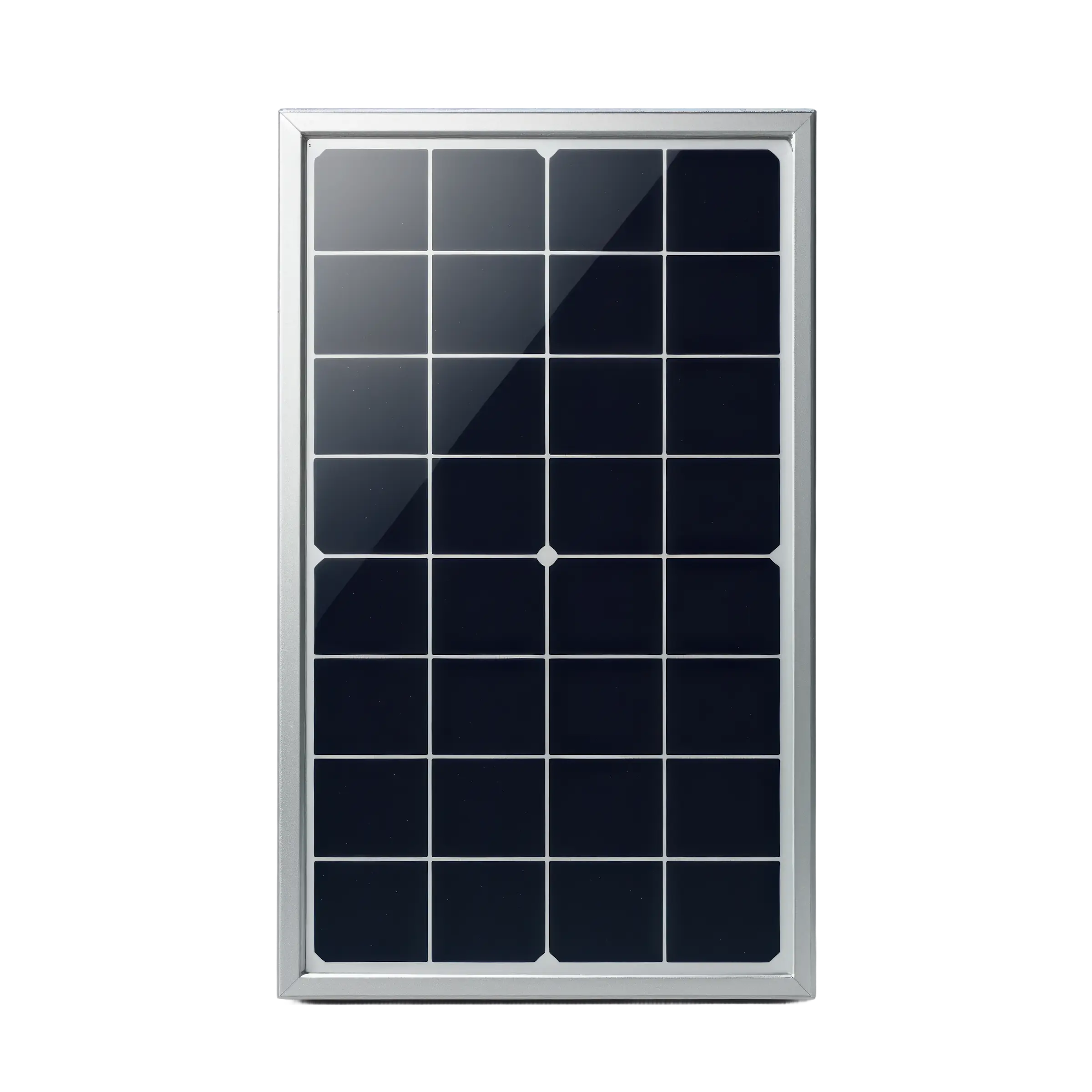
Ontario's main solar incentive in 2026 is the Home Renovation Savings Program, run by Save on Energy and Enbridge Gas. It pays homeowners up to $5,000 for rooftop solar panels and up to $5,000 for a paired battery — a combined $10,000 back. This guide covers exactly how much you get, who qualifies, the rules that quietly get rebates rejected, and how to apply.
Status, October 15, 2026: the official program pages show the solar and battery rebates open, at the same amounts, with no published end date. Earlier reports pointed to November 30, 2026, and the program's terms let it close at any time. Pre-approval has to come before you buy anything, so if you want this rebate, talk to an installer now.
The quick version: Up to $10,000 total ($1,000/kW for solar, $300/kWh for a battery, each capped at 50% of what you spend). You must choose between this rebate or net metering — you can't have both. And you must get written pre-approval before you buy or install anything.
There are two separate rebates, and you can claim one or both:
Your payout is always the lower of the two limits — the size formula, or half of what you actually spent. To max out the $5,000 solar rebate, you need a system of about 5 kW and a project cost of roughly $10,000 or more. To max out the $5,000 battery rebate, you need around 16.7 kWh of storage. Solar and battery under this program do not require a home energy assessment.
Two limits decide your cheque: the size formula and the 50%-of-cost cap. On a well-priced 5 kW-plus system the size formula sets your number; on a smaller or pricier job the cost cap sets it. Here's how that plays out:
| Example | Size formula | 50% of cost | You receive |
|---|---|---|---|
| 5 kW solar, $15,000 job | $5,000 | $7,500 | $5,000 |
| 4 kW solar, $7,000 job | $4,000 | $3,500 | $3,500 |
| 10 kW solar, $22,000 job | $5,000 (max) | $11,000 | $5,000 |
| 13.5 kWh battery, $16,000 | $4,050 | $8,000 | $4,050 |
| 20 kWh battery, $18,000 | $5,000 (max) | $9,000 | $5,000 |
This is the most important decision in your whole project, and most sites skip it. If you take the Home Renovation Savings rebate, you cannot be on net metering. The program funds systems built for load displacement only — the power your panels make is used in your home, not exported to the grid for credit.
So you pick one path before your system is designed:
If you use most of your own solar (you're home during the day, you drive an EV, or you're adding a battery), the rebate path usually wins. If your panels would export a large share of what they make, net metering's lifetime credits can be worth more. The only way to know is to run it against your real hydro bill.
Eligibility trips up more people than the money does. This chart covers the situations that actually come up:
| Your situation | Eligible? | What you need to know |
|---|---|---|
| You own and live in a detached, semi-detached, row house or townhome | Yes | The standard path. You must be 18+. |
| Mobile home | Yes | Must be on a permanent foundation. |
| Rooftop solar (house or a permanent structure like a detached garage) | Yes | Must connect to the same hydro meter serving the home. |
| Ground-mounted or pole-mounted solar | No | Only rooftop panels qualify. Ground mounts are excluded. |
| Battery on its own, no new solar | No | A battery must be installed with new solar and sized to it. |
| You rent your home (tenant) | No | A tenant can't apply. The owner has to. |
| You own a home you rent out (landlord) | Yes, with a catch | The owner must apply and be responsible for paying for the system. |
| Condo or apartment unit | Generally no | Doesn't fit the eligible home types above. |
| Cornwall Electric customer | No | Served by the Hydro-Québec grid, not Ontario's. |
| Business- or corporation-owned property | Different program | Routes through Save on Energy for Business instead. |
| New build not yet occupied | Verify | Not clearly covered — confirm with the program before committing. |
None of these are hard, but each one has cost homeowners their rebate:
Ontario's Ultra-Low Overnight (ULO) electricity plan makes overnight power very cheap and weekday evening power very expensive: 3.9¢/kWh from 11 p.m. to 7 a.m. versus 39.1¢/kWh from 4 to 9 p.m. on weekdays (prices in effect through October 31, 2026; the Ontario Energy Board resets them every November 1). A battery lets you store your solar through the day and run your home on it during that evening peak instead of buying from the grid at the worst rate. It also keeps essentials running during an outage. For homes on ULO, that daily peak-shaving is often what tips the rebate path ahead of net metering.
Solar and a battery aren't right for every home. Hold off if your roof is heavily shaded most of the day, if it needs replacing within a few years (do the roof first; see Roof first), if you're planning to move soon, or if your hydro use is very low. In those cases the rebate won't fix the underlying math.
No. The federal 30% Clean Technology Investment Tax Credit is for businesses, not individual homeowners. Any site telling a homeowner they can stack it is wrong.
Not the same way. The battery has to go in with a new solar system and be sized to it. A battery added to an existing system afterward generally won't qualify.
Only up to the caps. Past about 5 kW of solar or 16.7 kWh of battery, the rebate stops growing — and on cheaper jobs the 50%-of-cost cap limits you first.
No. Only rooftop panels on the home or a permanent structure on the same hydro meter qualify. Ground and pole mounts are excluded.
You lose the rebate. Written pre-approval has to come first, every time.
As of October 15, 2026 the official program pages show the solar and battery rebates open with no published end date. Earlier reports pointed to November 30, 2026, and the terms allow the program to close at any time. Past Ontario rebates have ended with little notice, so confirm the current status before you commit.
Rebate amounts and rules verified against the official Home Renovation Savings Program on October 15, 2026. Programs can change without notice — always confirm current terms on the official program website before signing a contract or starting work. This is general information, not tax, legal, or financial advice.