At a glance · Businesses & farms
The Clean Technology ITC is a 30% refundable federal tax credit on the capital cost of new solar, storage and other clean technology, for taxable Canadian corporations (including incorporated farms) and certain REITs — not homeowners. It drops to 20% without the labour election, halves in 2034, and ends after 2034.
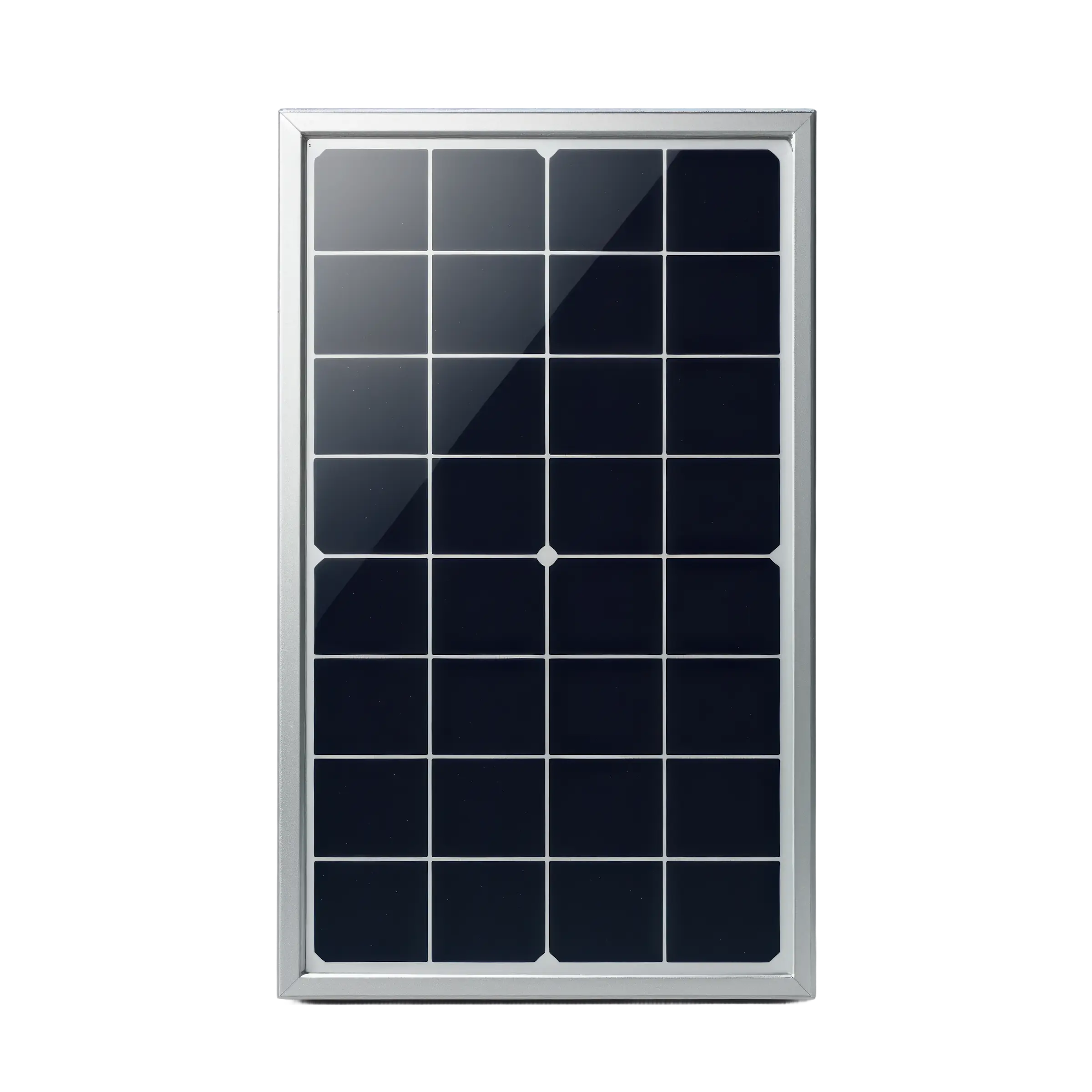
The credit applies to property acquired and available for use on or after March 28, 2023, covering clean electricity generation and stationary storage that does not use fossil fuels[2]. The CRA administers claims, while Natural Resources Canada provides technical guidance on eligible property[1].
Key rules
| Rule | Detail |
|---|
| Who | Taxable Canadian corporations, incorporated farms, certain REITs |
| Not eligible | Homeowners, individuals, unincorporated sole proprietors |
| Rate | 30% with labour election; 20% without |
| Timeline | 30% through 2033; half rate in 2034; none after 2034 |
| Equipment | New solar PV, battery storage (no fossil fuel), heat pumps and more |
| Refundable | Yes — paid even with little or no tax owing |
Businesses must meet labour requirements to get 30%; otherwise investments qualify at 20%[2]. Budget 2023 set the rate at 30% through December 2033, stepping down to 15% in 2034 and ending after that[3].
How it stacks
It pairs with accelerated CCA (Class 43.1/43.2), provincial incentives and net metering. Government assistance such as a rebate reduces the cost base the ITC is calculated on, and property sold or converted to non-clean use within the recapture period can trigger repayment. Confirm with your accountant.
Province guides: Ontario, BC, Alberta, Nova Scotia, New Brunswick.
Can a homeowner claim the 30% ITC?
No. It is for taxable corporations and incorporated farms.
Why do some sources say 20%?
Without electing to meet the labour requirements, the rate is 20%.
When does it end?
30% through 2033, half rate in 2034, and nothing after 2034.
ReviewedOctober 11, 2026
Next reviewJanuary 11, 2027
AudienceBusinesses & farms
Educational overview, not tax advice. Confirm eligibility and filing with your accountant.